Oil falls, stocks climb on hopes of US-Iran Hormuz deal / Photo: - - AFP

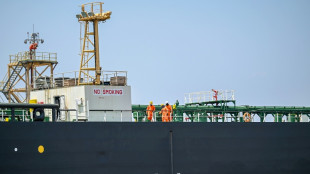
Oil prices fell and Asian stocks climbed on Monday over hopes a deal between the United States and Iran to open the Strait of Hormuz could be brokered.
The price of North Sea Brent crude and West Texas Intermediate slipped in Asian trade around five percent to $98.47 and $91.53 a barrel respectively at 0705 GMT.
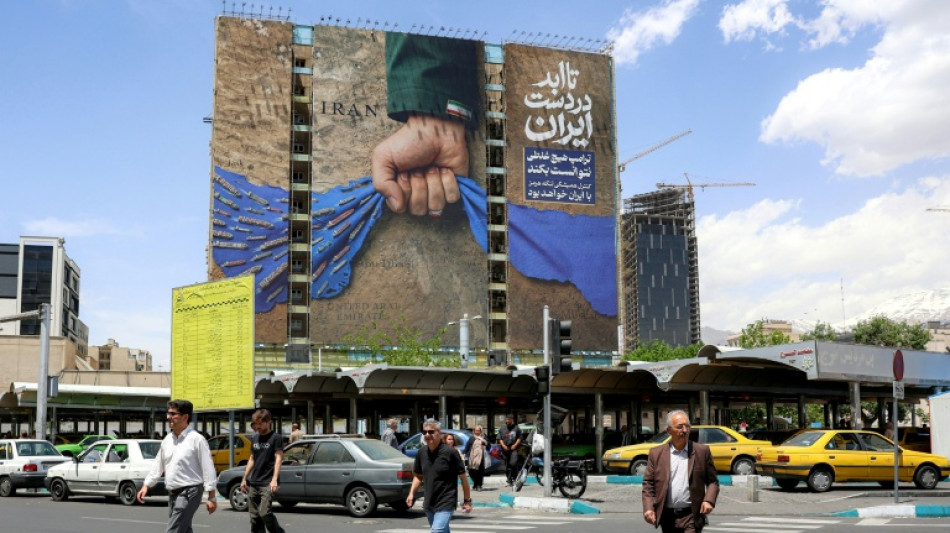
Washington and Tehran appear close to agreeing on ending the Middle East war that has effectively closed the Hormuz strait, driving up energy prices and stoking global inflation.
A deal could be announced "today", US Secretary of State Marco Rubio said on Monday during an official visit to New Delhi.
It came after US President Donald Trump said negotiations were being conducted in an "orderly and constructive manner", cautioning that US negotiators had been advised "not to rush into a deal".
Several sticking points have tempered hopes of a resolution to end the conflict and reopen the Strait of Hormuz, a critical energy corridor.
Iran's Tasnim news agency said that based on its information, key clauses in a possible agreement remained unresolved.
One of the main obstacles has been whether Tehran is willing to hand over its stockpile of enriched uranium.
The possible release of Iran's frozen assets held under longstanding US sanctions is another sticking point.
And whether Lebanon, repeatedly targeted by Israeli strikes despite a US-brokered ceasefire agreement, is included in the peace deal remains uncertain.
Markets across Asia mostly climbed on Monday, with Tokyo closing up 2.9 percent and topping 65,000 for the first time.
Shanghai was up 0.9 percent at the close, while Hong Kong and Seoul were shut for public holidays.
Taipei jumped more than 3.2 percent, with Manila, Bangkok, Jakarta, Singapore and Sydney also higher. Kuala Lumpur and Wellington dipped slightly.
In Europe, Frankfurt and Paris jumped around one percent at the open. London was shut for a public holiday.
"The weekend news flow has once again focused on the prospects for a negotiated deal between the US and Iran," said Chris Weston, head of research at Pepperstone.
"According to reports from Donald Trump, a memorandum of understanding has been 'largely negotiated', with details to be announced at some stage soon, although there appears to be limited urgency," Weston said.
Investors will also be keeping an eye on how the US Federal Reserve and its new chief Kevin Warsh react to Personal Consumption Expenditures (PCE) data this week, as well as European inflation metrics.
"The inflation story remains central to the entire setup," said SPI Asset Management analyst Stephen Innes.
"Investors will receive another critical read on Thursday with the release of the Personal Consumption Expenditures index, the Federal Reserve's preferred inflation gauge.
"After several hotter-than-expected consumer and producer inflation reports earlier this month, markets are increasingly concerned that elevated oil prices and supply disruptions tied to the Middle East conflict are beginning to seep into the broader inflation pipeline."
The conflict erupted after the United States and Israel attacked Iran on February 28, and the Islamic republic responded with missile and drone attacks across the region.
The United States and Iran have observed a ceasefire since April 8 while mediators push for a negotiated settlement, although Tehran has imposed controls on Gulf shipping and Washington has blockaded Iran's ports.
- Key figures at around 0715 GMT -
Brent North Sea Crude: DOWN 5.0 percent at $98.36 a barrel
West Texas Intermediate: DOWN 5.4 percent at $91.42 a barrel
Tokyo - Nikkei 225: UP 2.9 percent at 65,158.19 (close)
Shanghai - Composite: UP 1.0 percent at 4152.57 (close)
Hong Kong - Hang Seng Index: Closed for a holiday
London - FTSE 100: Closed for a holiday
Euro/dollar: UP at 1.1636 from 1.1608 on Friday
Pound/dollar: UP at $1.3481 from $1.3441
Dollar/yen: DOWN at 159.00 from 159.13 yen
Euro/pound: DOWN at 86.32 from 86.36 pence
New York - DOW: Closed for a holiday
許-X.Xǔ--THT-士蔑報